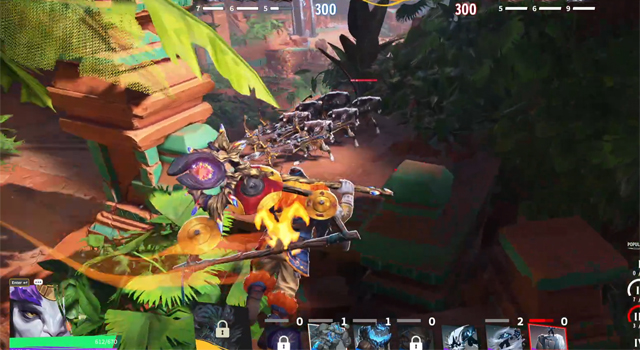
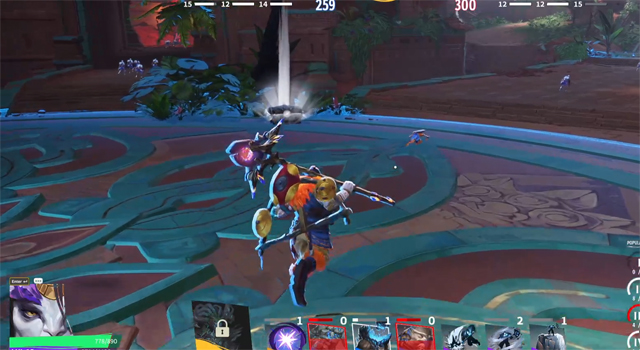
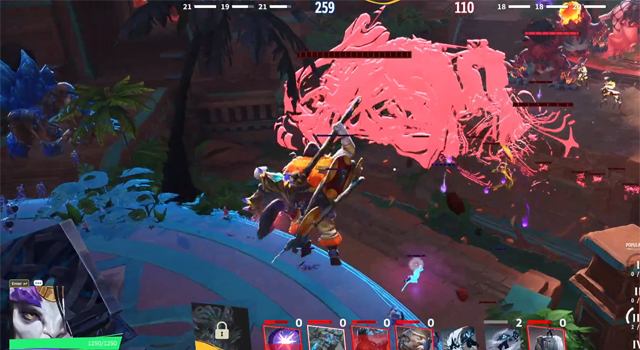
Hey my zoulous and welcome to this new video. Today, I’m introducing Spellcaster Chronicle, a free-to-play game focused on 3v3 PvP strategy through unit decks and a playable hero.
If you're looking for a new game to discover or you're simply curious about what it offers, this video will give you a clear overview of the concept and gameplay.
Spellcasters Chronicle puts you in the role of a spellcaster evolving in a world where magic plays a central role.
The core of the game revolves around managing your hero’s spells, the unit or building summons you can deploy, and your overall vision of the battlefield.
The objective is to gain the advantage over your opponents and destroy the enemy base.
Let’s dive a bit deeper into the details.
Choosing Your Spellcaster
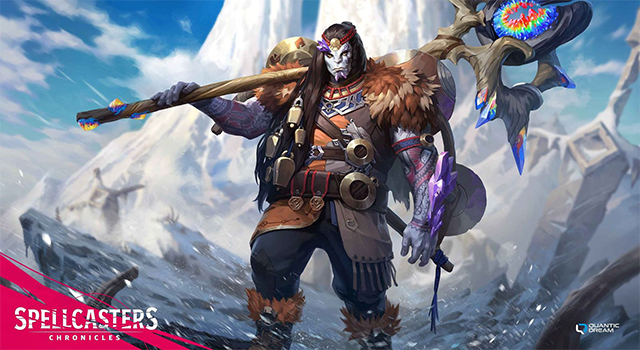
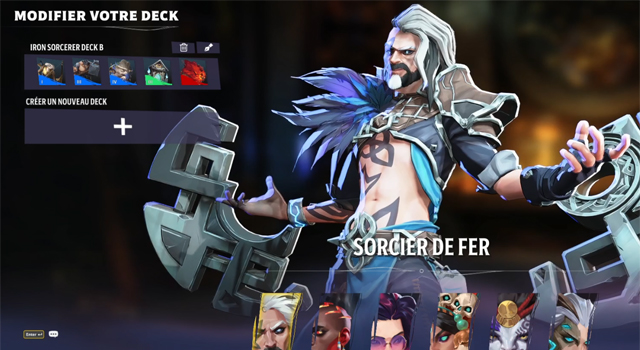
First of all, before even entering the battlefield, you’ll need to choose your hero. This hero has unique skills and possibly passive advantages that affect your unit deck or your overall playstyle.
For example, the Stone Shaman will have increased Tier 2 and Tier 3 population, but less population available for Tier 1 units.
You might be wondering what I’m talking about — let’s get into that right away.
Creating Your Deck
Once you’ve chosen your hero, you’ll need to create at least one deck to play them, although the game provides a default deck option.
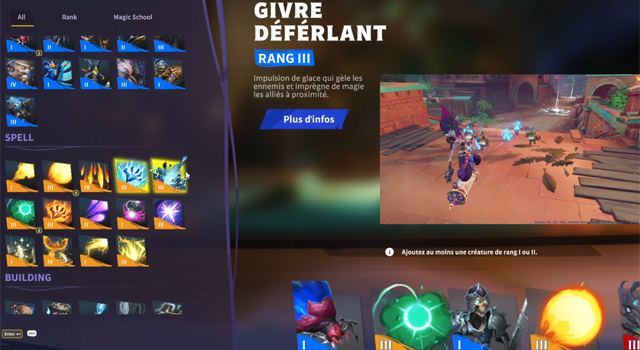
So what can you put in this deck? There are several types of cards.
Units
First, units that can be summoned onto the battlefield. Each unit has its strengths and weaknesses — some will be tanky, others can shoot into the air, and some will have long range. The goal is to build a setup capable of pushing or countering the enemy deck.
Spells
Second type: spells. These can deal area or single-target damage, heal allied units, or destroy buildings. They can be crucial for quickly stopping an enemy push or focusing down enemy heroes.
Buildings
Third type: buildings. These have multiple functions. Some continuously summon units, allowing you to maintain frontline pressure without returning to base. Others help stall the enemy flow, such as walls, and some reinforce a position’s defense with defensive towers or ballistas.
The Titan
The final type is the Titan. This late-game unit is designed to break through enemy defenses. It has a large health pool and deals heavy damage.
It’s then up to you whether you want to play full units, full spells, or a mix of spells, units, and possibly buildings, etc.
Starting a Match
Alright, we’ve chosen our hero and deck — time to start the game.
Match Objectives
Reminder: your goal is to destroy the enemy towers or at least deal more damage to them than your opponents to win the match.
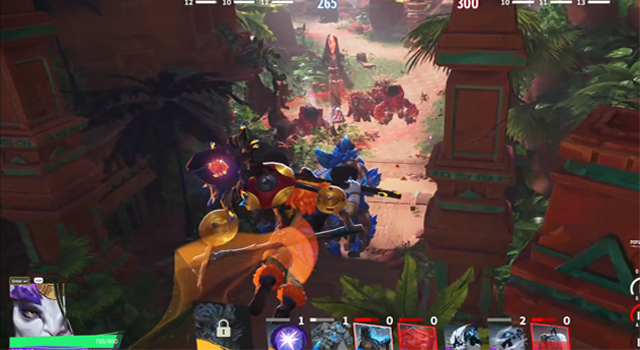
To do so, you’ll summon your units, which will advance toward the next camp. Be aware that you can only summon units on your bases within the blue zone.
As for capturing bases, there are two possibilities. If the camp hasn’t been captured by either team, you’ll need to clear the neutral units and let your units capture the point.
If the camp belongs to the enemy, a defensive tower will be present and you’ll need to carefully manage your attack.
Once the tower is destroyed, your units will begin capturing it, and it will switch to your side.
Hero Progression
As for your hero, progression during the match is based on your character level. To level up, you’ll need to kill enemy or neutral units, heroes, or towers and collect the energy dropped on the ground.
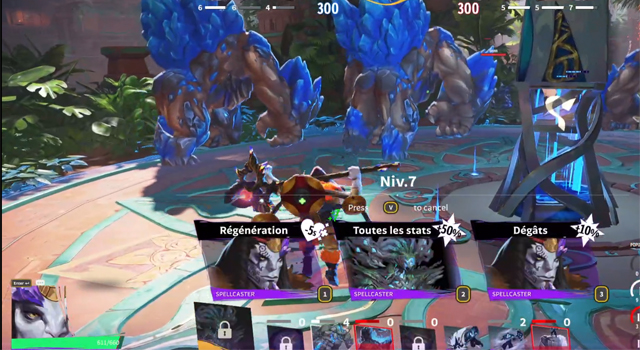
Once you level up, you’ll choose between three upgrades, and naturally, your build will partially depend on these choices.
Your level also affects the total number of units you can deploy through upgrades, as well as unlocking higher skill tiers. At the start of the game, you can immediately use Tier 1 and Tier 2 skills, unit summons, or buildings. Once you reach the required level, you’ll unlock higher tiers.
I didn’t mention it earlier, but your hero primarily moves by flying, giving you a real sense of freedom and allowing you to quickly assist allies on other lanes. This is a key strategic aspect of the game.
Jungle System
Let’s briefly talk about what I call the jungle. Levels are very important in Spellcasters, so farming as much as possible — whether through enemy troops or jungle camps — is essential.
Bonus Chests
Another detail to consider: different rarity chests spawn on the map throughout the match. These chests provide various advantages, ranging from unit recharge to devastating skills. You’ll need to keep an eye on them to be as effective as possible.
Destructible Environment
Another feature I find very interesting: some maps include destructible environments. This means you can temporarily block certain paths and force units to either destroy the obstacle or go around it, costing them valuable time.
Unit Size
Important information: each unit has a size ranging from small to very large. This size affects which paths the unit can take. You’ll need to pay close attention to your build as well as the enemy’s build to gain an advantage through these details.
Personal Opinion
Personally, I find the overall concept interesting. I imagine the possibilities will expand as more heroes, maps, and units are released. The game looks good and is free to play. I’d say, why not try it with friends!
That’s already the end of this article — I hope you enjoyed it. Don’t forget to leave a thumbs up if you liked it, and if you want to follow the channel, make sure to subscribe!